

The most useful bit of winter kit for a Sarracenia grower is a min max thermometer for the greenhouse, because it tells you the coldest the air got while you were indoors. A head torch and a pair of grippy gloves come next. Everything else is optional.
The Independent ran a piece on 9 November 2026 about Go Outdoors discount codes, with up to 15% off. I haven’t got anything to add about the codes themselves, but it’s a handy nudge: outdoor shops stock most of this list, and November is when it makes sense to buy it. Here are the common beliefs I hear about winter monitoring, one at a time.
Myth: a normal thermometer will do
A plain thermometer only shows the temperature at the moment you look at it. By the time you wander down the garden at 7pm with a cup of tea, the coldest point of the night is still hours away.
A min max thermometer records the lowest and highest readings since you last pressed reset. Check it each morning, note the number, reset it. Over a few weeks you learn how your greenhouse really behaves. Cheap mechanical ones with a little mercury-free column and a magnetic reset pin cost a few pounds. Digital ones with a separate probe cost a bit more and are easier to read in poor light.
Myth: one thermometer tells you everything
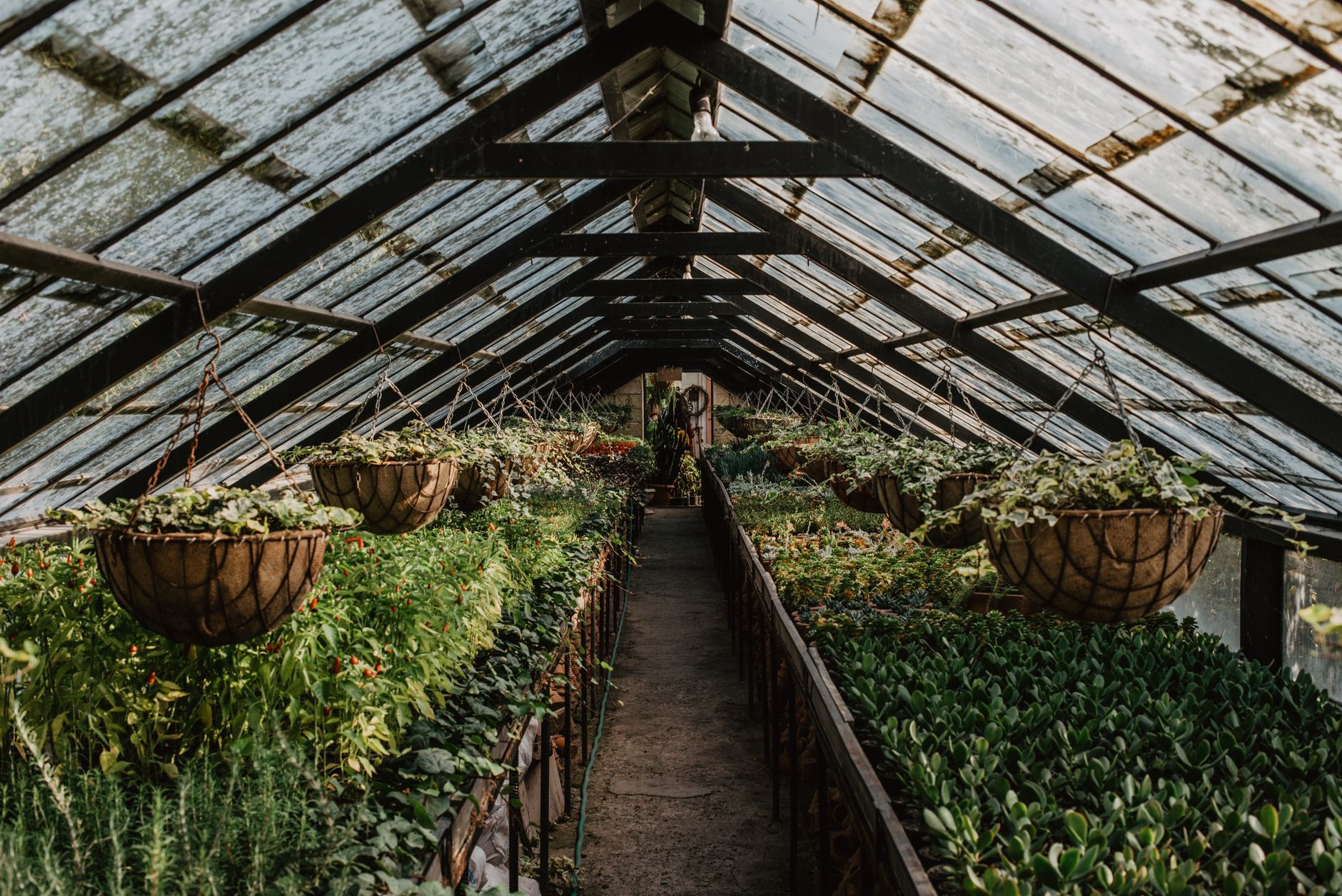
Air near the ridge is not air at pot level. Cold settles low, and a bench by the door will differ from one at the back. If you can stretch to two, put one at plant height and one near the glazing, then compare. The gap between them is often a surprise.
Keep the sensor out of direct sun and away from the glass, or the daytime maximum will be nonsense. Sarracenia are hardy plants that go dormant in winter, and the hardy species cope with frost. What you are really watching for is prolonged hard freezing of the pots, or unusual swings. That is why the record matters more than a single glance.
Myth: a phone torch is good enough for frost-night checks
It works, until you need both hands. Holding a phone while lifting fleece, checking a pot rim or moving a heater is fiddly, and cold fingers drop things. A basic head torch with a red or dimmable setting is cheap, light and frees your hands. Look for one that runs on AAA batteries you can swap easily, or a rechargeable model, and keep spares in the greenhouse drawer.
Outdoor retailers sell plenty of decent ones at low prices, which is where those discount codes might earn their keep. A wide, soft beam is better than a tight spotlight for scanning a bench.
Myth: any old gloves will do
Wet compost, cold water and rough staging eat thin gloves quickly. A pair of waterproof, lined gardening gloves with a grippy palm is worth having for winter tidying, removing dead pitchers and handling trays. Choose a fit snug enough to pick up a small label. Thick mittens are warm but hopeless for detail.
What else is worth putting on the list?
Beyond the three basics, a few small items earn their place:
- A cheap plug-in frost thermostat and a small greenhouse heater, if you want a safety net on the very worst nights.
- Horticultural fleece and clips, for covering plants during a sharp snap.
- A waterproof notebook or a simple note on your phone, so the daily min and max readings are written down.
- A small hygrometer, since damp, stagnant air in winter is what encourages botrytis on old pitchers.
None of it needs to be expensive. If the budget is tight, buy the min max thermometer first, then the head torch.
Do I need a heater for Sarracenia?
Most growers of the hardy North American species do not heat at all, because the plants want a cold dormancy. A heater is more about protecting against extreme cold, or protecting tender seedlings and more delicate hybrids. Your thermometer log will show whether you ever get close to trouble, which is a better basis for buying a heater than guessing.
Remember too that pots are more exposed than ground-planted clumps. If you have recently moved plants, my piece on repotting a pitcher plant in the UK covers timing, and the growing media question is in peat ban and carnivorous plants.
Where to check the weather
Before a cold night, look at the forecast from the Met Office, paying attention to the overnight low for your postcode rather than the regional headline. Compare it with what your thermometer recorded last time a similar forecast came true. After a few frosts you will know how many degrees your greenhouse sits above or below the forecast.
My advice: buy the min max thermometer this weekend, put it at plant height, and start a log on Monday morning.

Leave a Reply