

Terracotta is the wrong pot for a pitcher plant, and a tray of shallow water is the right way to keep one wet. That is my short answer, and for winter it comes with one tweak: let the tray run low. If you want the best pot for pitcher plants in a UK garden or unheated greenhouse, buy plain plastic, stand it in a tray, and keep the water to a centimetre or two between November and March.
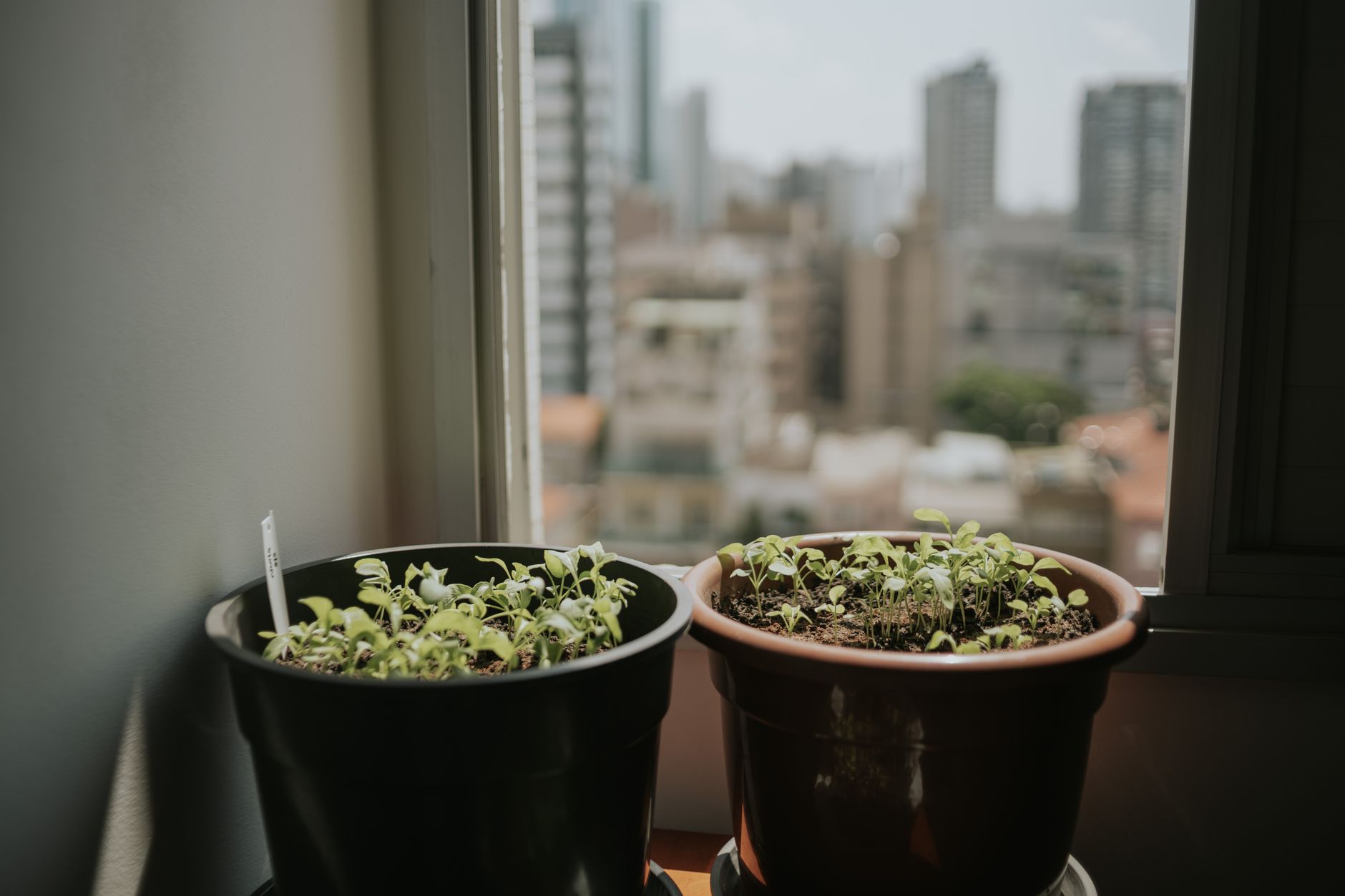
Frost, cost and algae decide the question, so here is how plastic pots, terracotta pots and the standing-water tray method compare on each.
Is plastic or terracotta the best pot for pitcher plants?
Plastic is the best pot for pitcher plants, because it is inert and it holds moisture. Sarracenia are bog plants. Their roots want compost that stays wet, acidic and low in minerals. Terracotta works against all three. The porous walls wick water out, so the compost at the edge dries first. Minerals from tap water and from the clay itself build up as a white crust. In winter the saturated clay can flake or crack when it freezes.
Glazed ceramic is better behaved, but it is heavy and dear, and a glazed pot with no drainage hole turns into a bucket of sour water. Choose a plastic pot with holes in the base, at least as deep as it is wide, with slightly tapered sides. Sarracenia roots run long, and tapered sides give ice room to move rather than push against the walls. Black plastic can warm up in a sunny greenhouse in July, but that is a summer nuisance, not a winter one.
Does the standing-water tray method work in a UK winter?
The standing-water tray method works in a UK winter if you lower the water level once the plants go dormant. The method is simple: stand pots with drainage holes in a tray holding a few centimetres of water through the growing season, and let the roots draw up what they need from below.
The danger in winter is not frost on its own. Dormant Sarracenia are generally tough, and plenty of plants, Sarracenia purpurea and many hybrids especially, sit outdoors through a normal British winter. The real trouble is cold, waterlogged compost combined with dead pitchers rotting into grey mould. Some species and hybrids with S. leucophylla or S. alata in them are less happy with hard, prolonged frost, so give those a sheltered spot or a frost-free corner when a cold snap arrives. I’d keep an eye on the Met Office forecast and on a min-max thermometer in the greenhouse rather than guess.
A full tray also freezes into a solid block with the pots locked inside it. Plastic copes with that. Terracotta and ceramic do not. From November, let the tray fall to about a centimetre of water, or let it drain and top it up every few days, so the compost stays damp but not drowned.
How much do pots and trays cost?
Plastic is the cheapest way to grow Sarracenia, and a tray costs less again if one tray serves several pots. The figures below are typical price bands at the time of writing and vary by retailer, so treat them as a guide.
| Option | Typical cost | Ten plants |
|---|---|---|
| Plastic pot, 2-3 litre | about £1 to £4 | £10 to £40 |
| Terracotta pot, similar size | about £5 to £15 | £50 to £150 |
| Plastic tray or gravel tray | about £2 to £8 | one or two trays |
The pot is rarely the biggest bill. Compost matters more, and the peat ban has changed what UK growers can use, so it is worth reading up before you buy a bag. Rainwater is free if you have a water butt, though it can freeze, so keep a bottle or two indoors in a cold week.
Which method gets less algae?
Plastic pots in a dark tray get the least algae, and terracotta gets the most. Algae follows light and nutrients. Sunlit tray water goes green, damp terracotta grows a film on the outside, and bare compost gets a slimy skin. None of this is dangerous in small amounts, though a thick mat on the compost surface can sour it and keep air out.
Four habits keep it down:
- Use an opaque or dark tray rather than a clear one.
- Top-dress the compost with a layer of live sphagnum moss.
- Use rainwater or other low-mineral water, never tap water in a hard-water area, and never feed the plants.
- Rinse the tray when the water turns slimy.
Algae slows right down in the cold and the low light, so winter is when the tray method is at its easiest.
What is the best setup for pitcher plants in winter?
The best winter setup is a plastic pot with drainage holes, stood in a plastic tray holding about a centimetre of rainwater. Here is the routine I’d follow:
- Cut off dead and browning pitchers at the base, so grey mould has nothing to feed on.
- Check that each pot is plastic and that the holes are not blocked by compost.
- Drop the tray water to about a centimetre, or let the tray empty and refill it every few days.
- Put frost-tender hybrids in a sheltered spot or the greenhouse when a hard frost is forecast.
- Leave repotting until the plants wake in late winter or early spring. If a plant is currently in terracotta, the repotting guide shows how to move it.
If you have any terracotta pots holding Sarracenia, I’d swap them for plastic before the coldest weeks of January, while the plants are dormant and the compost is cold enough to handle gently.
Frequently Asked Questions
Do pitcher plant pots need drainage holes?
Yes, they should have them. Holes let the roots draw water up from the tray and stop the compost turning stagnant. A pot with no hole holds sour water at the bottom, which is a particular risk through a wet British winter.
Can I use tap water for Sarracenia in a tray?
Rainwater is much better. Pitcher plants dislike the dissolved minerals in tap water, and in hard-water areas the salts build up in the compost over a season or two. Use rainwater from a water butt, or distilled or reverse-osmosis water if you have no rain.
How deep should the water in the tray be?
In the growing season, a few centimetres is the usual guide. In winter, drop it to about a centimetre or less so the compost stays damp without sitting in cold, stagnant water. Never let the tray freeze solid around a ceramic pot.
Will frost kill my pitcher plants?
Usually not. Dormant Sarracenia tolerate normal British winter frosts, particularly Sarracenia purpurea and many hybrids. Prolonged hard freezes are riskier, especially for smaller plants and some species, so shelter them or move them into a frost-free greenhouse in a cold snap.

Leave a Reply