

Most pitcher plant pests UK growers deal with are not caught in summer, they are caught in winter, because dormant Sarracenia sit still and the bugs move in. A slow, close look at each plant now, with a torch and a magnifier, beats any spray you buy later. Here is the checklist I’d run through this weekend, plus what is safe to use on carnivorous plants.
1. Check the crowns for aphids
Aphids are the pest most likely to be missed on dormant plants, because they hide where the new growth is forming. Look down into the crown, where last year’s pitchers have died back and the fresh buds sit. Green, black or greyish soft-bodied insects clustered on buds or on the flower scapes in early spring are the usual story. A sticky film or tiny pale shed skins are the giveaway when you can’t see the insects themselves.
Say you find a small colony on a crown: wipe them off with a damp cotton bud or a soft brush, then look again the next day. Aphids are slow to reinfest a greenhouse that stays cold, so a quick physical clear-out often does the job.
2. Look for scale on old growth
Scale insects look like small brown or tan bumps, flat and immobile, stuck to rhizomes, the undersides of pitchers and the base of leaves. They are easy to mistake for bits of debris. Scrape one with a fingernail: if it lifts off as a shell, it is scale.
Winter is a good time to find them, as there is less foliage in the way. Trim away dead pitchers and tidy the crown first, then inspect the rhizome edge if a plant is lifting out of its pot. Scale are persistent, so remove what you can by hand with a cotton bud dipped in a little diluted soapy water.
3. Watch the compost surface for fungus gnats
Fungus gnats are tiny dark flies that hover over damp compost, and they love a greenhouse in November. Adults are mostly a nuisance to you. The larvae live in the top layer of wet compost and feed on decaying matter and sometimes fine roots, which matters more for seedlings and small divisions than for established clumps.
A quick test: lay a yellow sticky trap flat on the compost for a few days. If it is covered in small black flies, you have a population. Dormant Sarracenia are usually kept wet in trays, which suits gnats very well.
4. Know what dormancy hides
Dormant plants die back to rhizomes with a few tatty pitchers, so damage is easy to blame on cold. Learn the difference. Cold damage tends to blacken whole pitcher tops evenly. Pest damage is patchy, often with distorted buds, sticky residue or visible insects. Mould on dead leaves is a separate problem, and cutting off decaying growth reduces both mould and gnat habitat.
5. Use yellow sticky traps, not sprays, first
Yellow sticky traps are safe around carnivorous plants if you keep them from touching the foliage. Place them on stakes just above the compost level. They catch adult gnats and the odd winged aphid, and they tell you whether your control is working. Replace them once they are crowded.
6. Which controls are safe for carnivorous species?
Safe controls for Sarracenia are physical removal, yellow sticky traps, biological controls and, when needed, a mild soft soap solution used sparingly. Carnivorous plants have sensitive tissue, and many general garden products, especially systemic insecticides and anything with added fertiliser or oils, can burn them or leave residues in the water they sit in.
- Hand removal: cotton buds and a soft brush for aphids and scale.
- Biological control: nematodes watered in for fungus gnat larvae work in warmer conditions, but they need compost temperatures that a cold winter greenhouse often does not reach, so they suit spring better.
- Soft soap: a very dilute mix, tested on one pitcher for a few days before using on the rest.
- Avoid: systemic insecticides, oil-based sprays and anything labelled as a feed.
Always read the label, and if a product is not clearly suitable for use on sensitive plants, leave it on the shelf. Rinsing a plant with rainwater afterwards is a sensible habit, as tap water is a problem for these plants anyway.
7. Cut the conditions pests like
Gnats thrive on stagnant, wet, organic compost. Dormant Sarracenia need damp, not waterlogged, conditions in winter, so letting the tray dry a little between top-ups helps. Keep dead leaves cleared, and avoid compost that has gone slimy. If you are rethinking your mix, my piece on peat-free options for carnivorous plants covers what holds up, and the guide on repotting a pitcher plant is worth reading before you disturb a plant you suspect has scale on the rhizome.
8. Keep an eye on greenhouse temperature
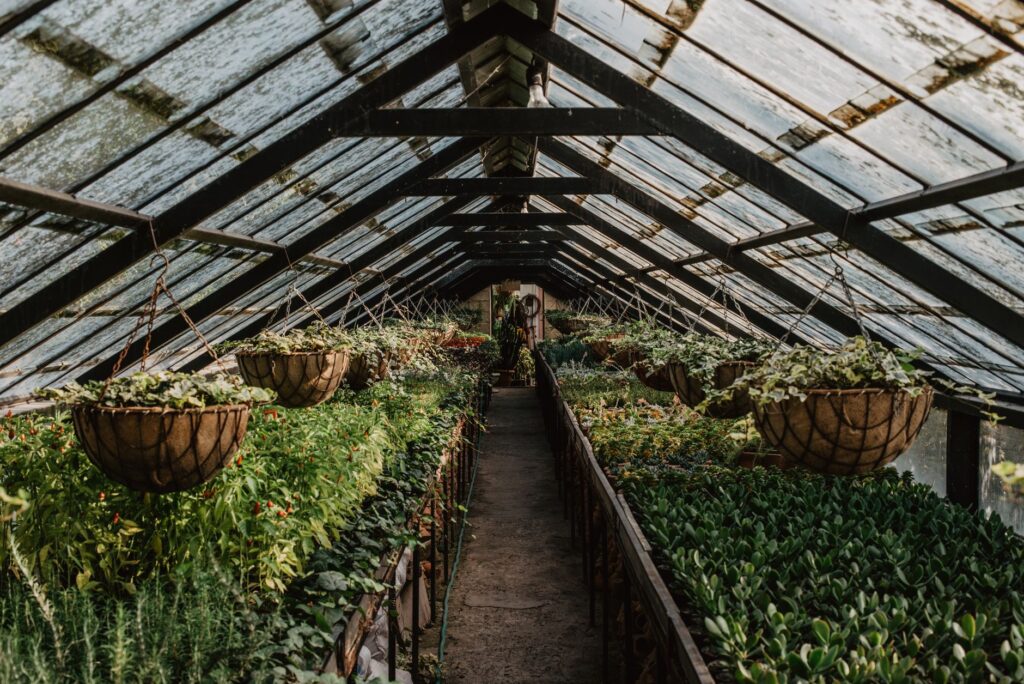
Pests do not stop in cold weather so much as slow down. A greenhouse that swings wildly between mild days and frosty nights can keep some insects active in sheltered spots. Knowing your real highs and lows helps you judge what is likely to be alive in there, and my notes on using a min max thermometer in a winter greenhouse explain how to read them.
9. Windowsill plants need a different look
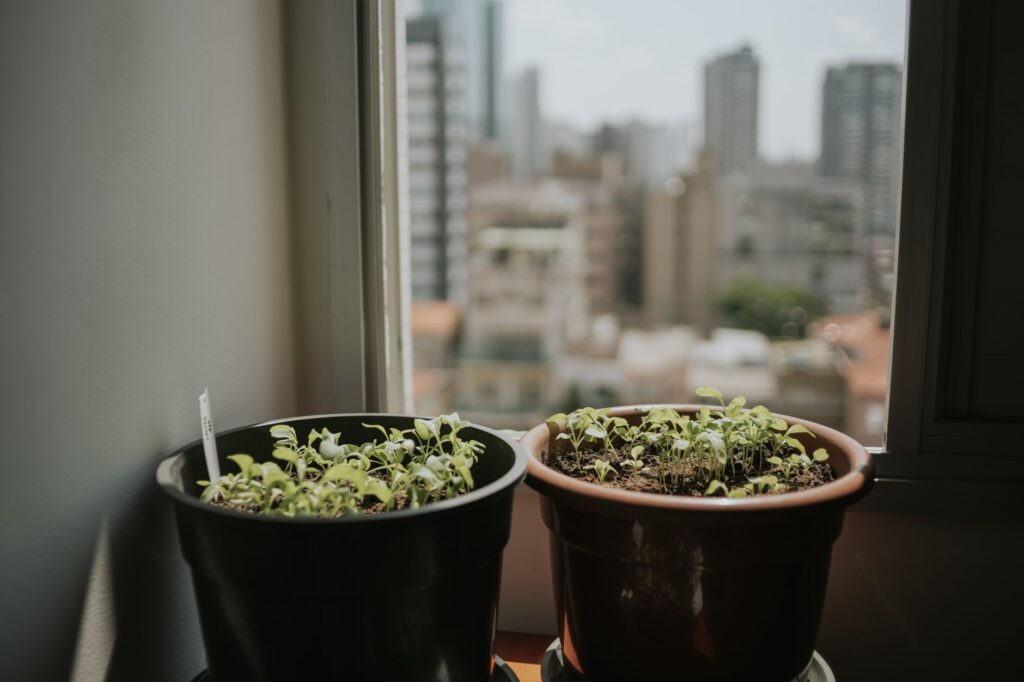
If you keep a pot indoors on a windowsill, houseplant pests such as aphids and fungus gnats travel easily between plants. Isolate any new arrival for a couple of weeks before it joins your collection, and inspect neighbouring pots. Warm indoor air also means pests stay active all winter rather than pausing. The Royal Horticultural Society has general advice on identifying common garden pests, which is useful for confirming what you are looking at.
10. Make it a routine
Set a date, say the last weekend of each month through winter, and check every plant the same way: crowns, rhizome edge, compost surface, trap. Write down what you find. A notebook entry takes a minute and shows you whether a problem is growing or fading.
Start tonight with a torch and one yellow sticky trap per shelf. If the trap stays clean and the crowns are clear, you can move on to the next job with a clear conscience.
Frequently Asked Questions
Can I use insecticide on pitcher plants?
Most general garden insecticides are a poor idea on Sarracenia. Systemic products and oil-based sprays can damage sensitive tissue or contaminate the water the plants sit in. Stick to hand removal, sticky traps and carefully tested soft soap unless a product is clearly labelled as safe for carnivorous plants.
Do pitcher plants eat fungus gnats?
Sometimes adult gnats get caught in pitchers, but dormant plants have few working pitchers in winter. Plants will not clear a population on their own, particularly because the larvae live in the compost. You still need to deal with the damp conditions and use traps.
How do I tell scale from dead leaf debris?
Scale insects are small, flat, brown or tan bumps that stay put on the plant. Scrape one gently with a fingernail: a scale lifts off as a shell, while debris crumbles or brushes away. They tend to sit on rhizomes, pitcher undersides and leaf bases.

Leave a Reply